Optimal Timing for Galvanized Gutter Installation
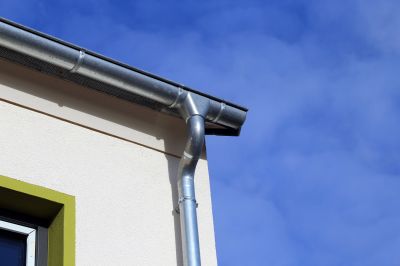
Spring offers moderate temperatures and dry weather, ideal for installing galvanized gutters without weather-related delays.
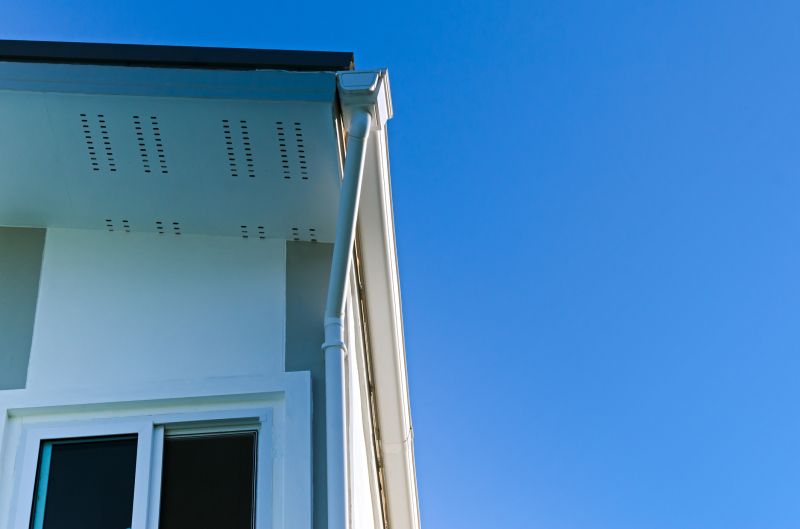
Summer provides long, dry days, making it suitable for gutter installation, though high temperatures should be considered.
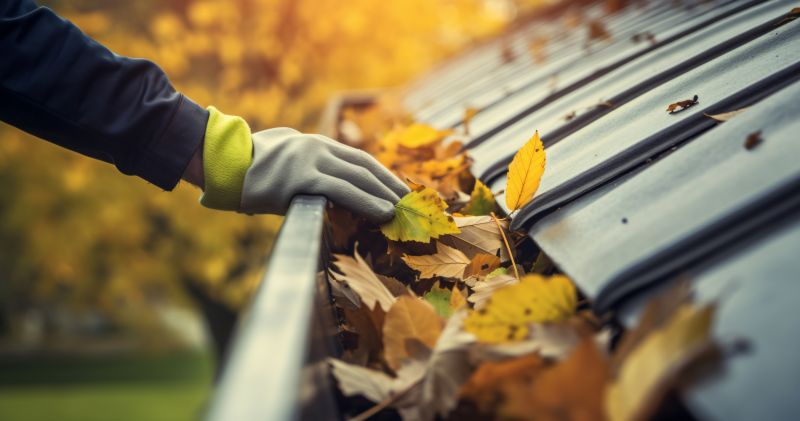
Fall's cooler temperatures and dry conditions can be optimal for installation before winter weather sets in.
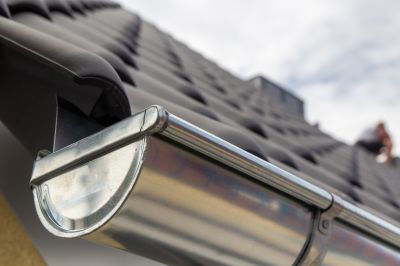
Ways to make Galvanized Gutter Installations work in tight or awkward layouts.
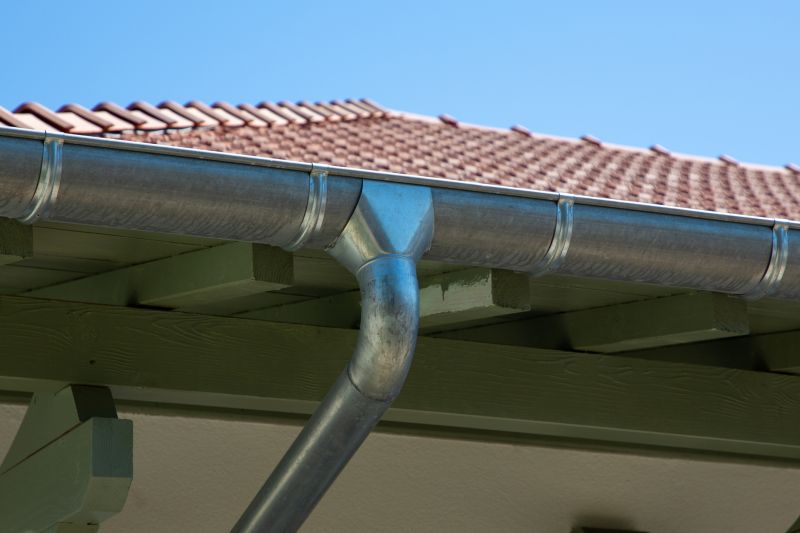
Popular materials for Galvanized Gutter Installations and why they hold up over time.
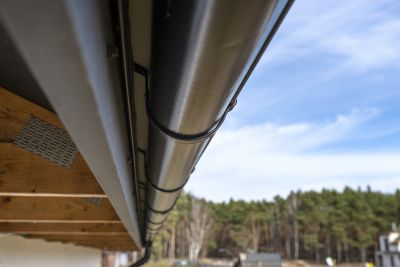
Simple add-ons that improve Galvanized Gutter Installations without blowing the budget.
Galvanized gutter installations are most effective when performed during seasons with stable, dry weather. Proper timing ensures the gutters are securely installed and can withstand seasonal weather variations. Installing gutters during periods of moderate temperatures reduces the risk of material expansion or contraction, which can affect the longevity and performance of galvanized steel gutters.
Statistics indicate that the majority of gutter installations are completed in spring and fall, aligning with optimal weather conditions. Properly timed installations can extend the lifespan of galvanized gutters, which typically last between 20 to 50 years with proper maintenance. Seasonal considerations such as avoiding winter and heavy rain periods help prevent delays and ensure quality workmanship.
Dry, moderate temperatures are best for galvanized gutter installation, preventing material warping and ensuring secure fastening.
Spring and fall are preferred due to mild weather, reducing installation challenges and weather-related damage.
Installing gutters before winter can prevent ice buildup and damage, especially in colder climates.
While summer offers longer workdays, high temperatures may affect installation comfort and material handling.
High-end options that actually feel worth it for Galvanized Gutter Installations.
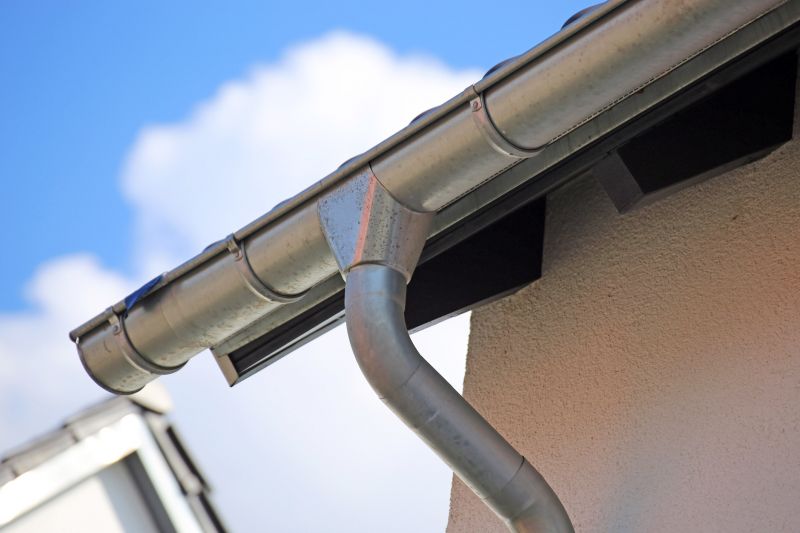
Finishes and colors that play nicely with Galvanized Gutter Installations.
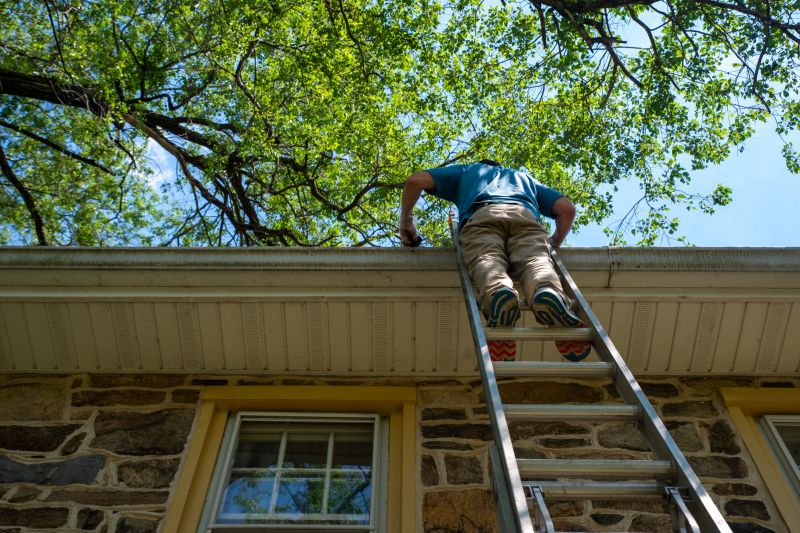
Little measurements that prevent headaches on Galvanized Gutter Installations day.
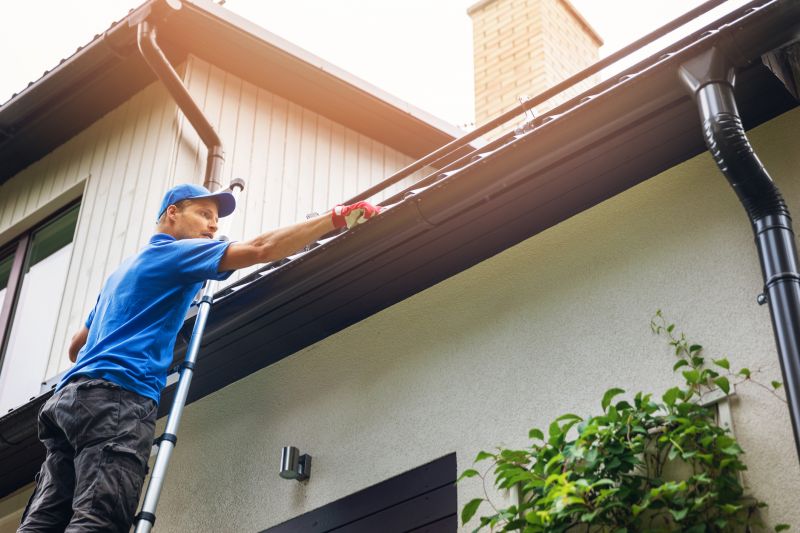
A 60-second routine that keeps Galvanized Gutter Installations looking new.
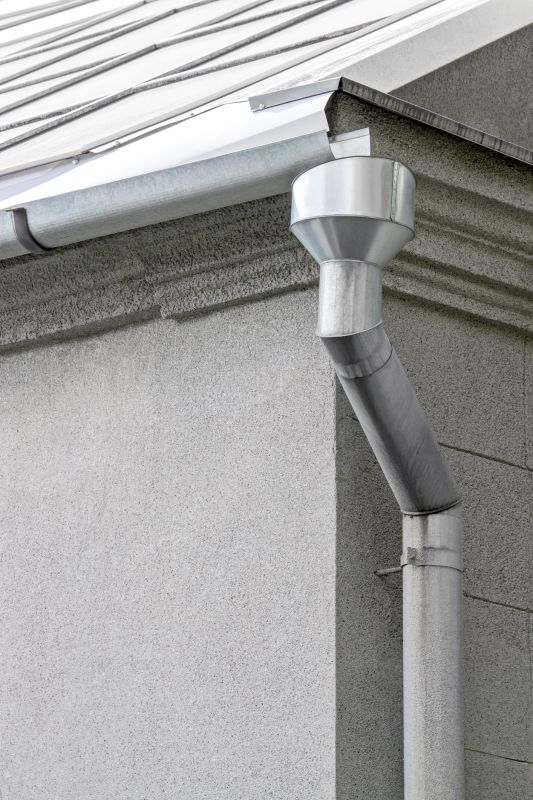
A frequent mistake in Galvanized Gutter Installations and how to dodge it.
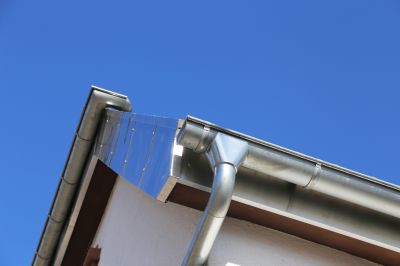
Small tweaks to make Galvanized Gutter Installations safer and easier to use.
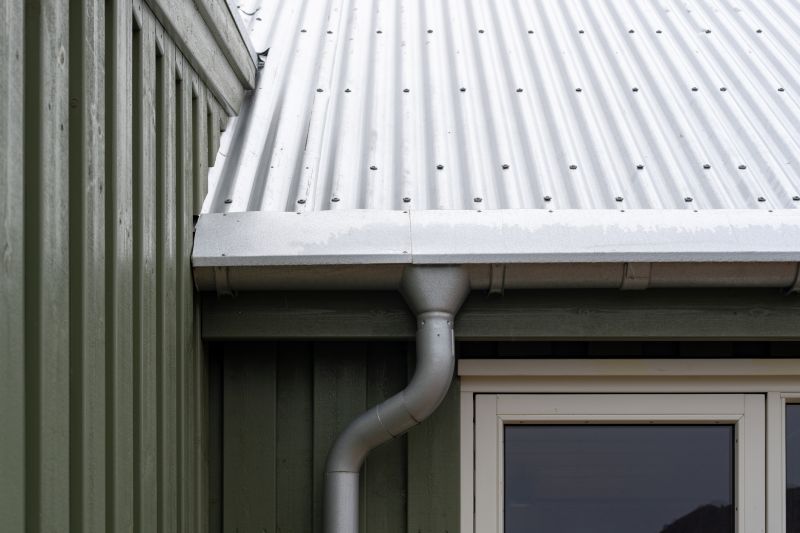
Lower-waste or water-saving choices for Galvanized Gutter Installations.
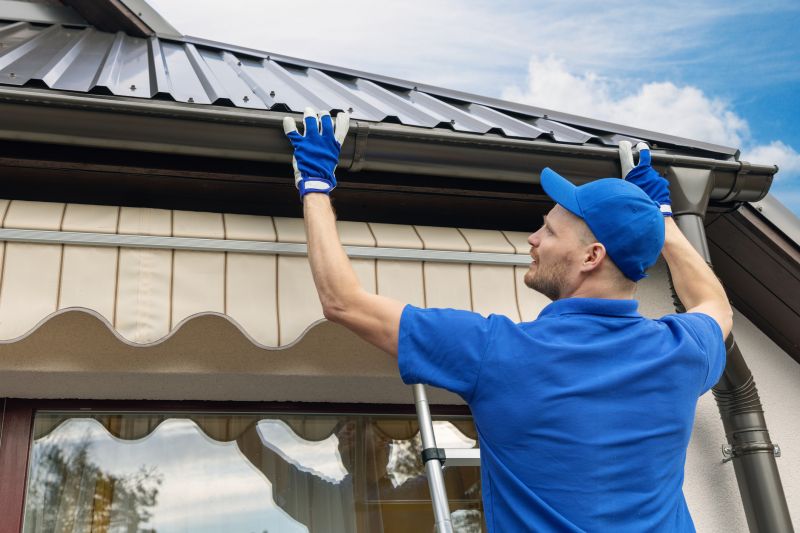
The short, realistic tool list for quality Galvanized Gutter Installations.
| Season | Optimal Conditions |
|---|---|
| Spring | Dry, mild temperatures, moderate humidity |
| Summer | Long daylight hours, dry weather, high temperatures |
| Fall | Cooler temperatures, dry conditions, pre-winter |
| Winter | Not recommended due to cold, snow, and ice |
Choosing the right time for galvanized gutter installation can improve durability and performance. Proper planning around seasonal weather patterns minimizes delays and ensures the gutters are installed securely. Weather conditions such as rain, snow, and extreme temperatures can compromise installation quality and material integrity.
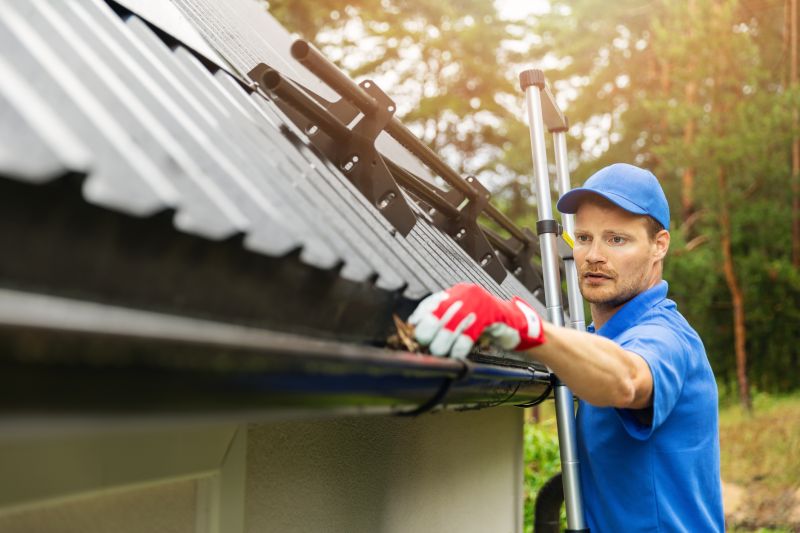
Rough timing from prep to clean-up for Galvanized Gutter Installations.
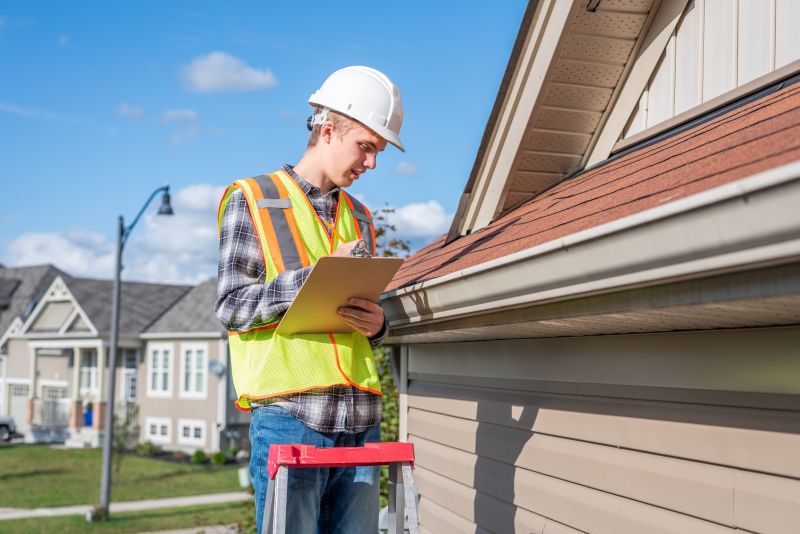
Quick checks and paperwork to keep after Galvanized Gutter Installations.
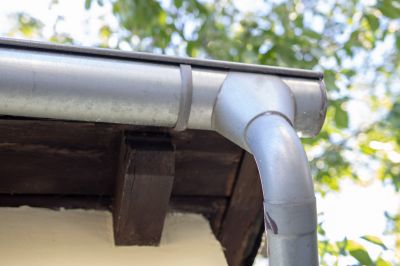
Examples that show the impact a good Galvanized Gutter Installations can make.
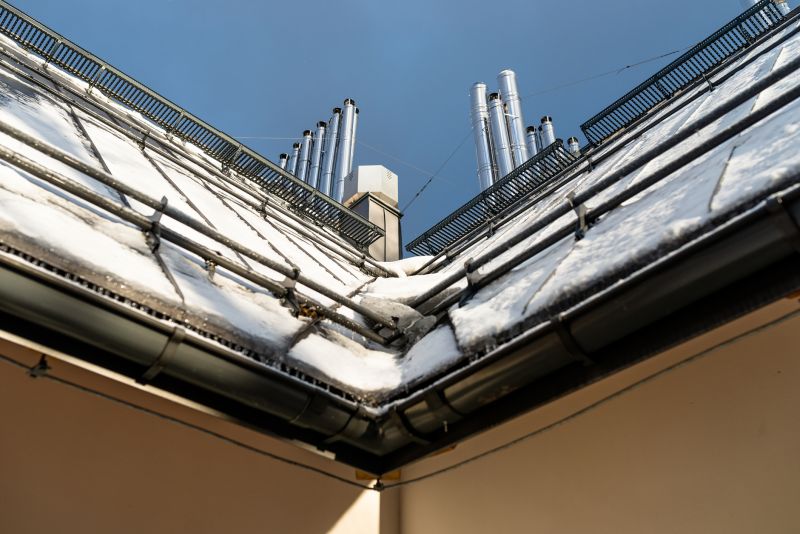
Ways to make Galvanized Gutter Installations work in tight or awkward layouts.
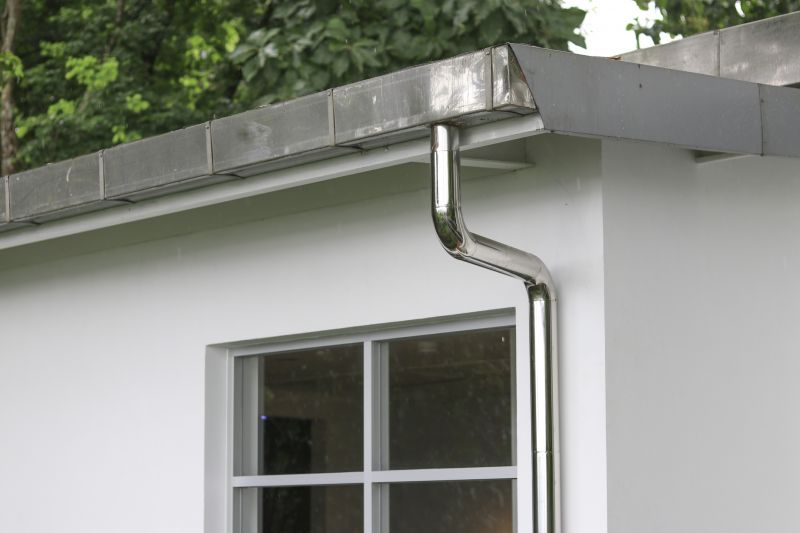
Ways to make Galvanized Gutter Installations work in tight or awkward layouts.
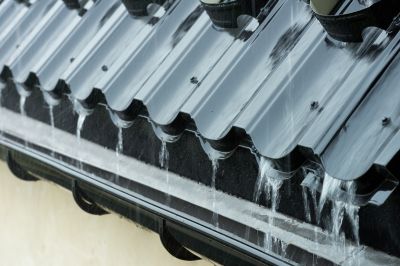
Ways to make Galvanized Gutter Installations work in tight or awkward layouts.
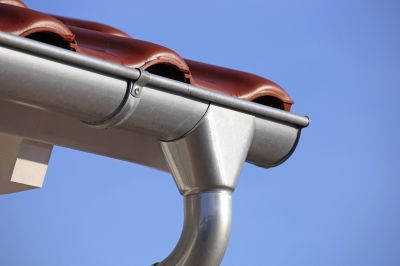
Ways to make Galvanized Gutter Installations work in tight or awkward layouts.
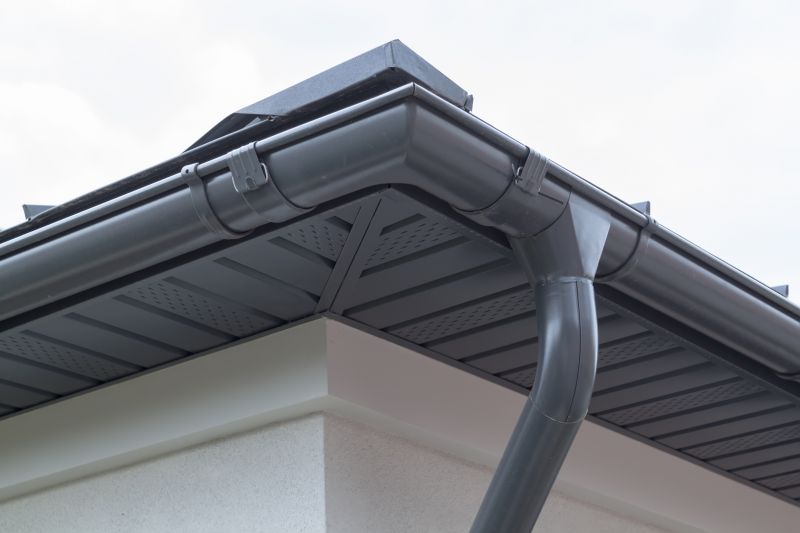
Ways to make Galvanized Gutter Installations work in tight or awkward layouts.
Interested parties are encouraged to contact for more information or to schedule a galvanized gutter installation. Proper timing and planning can ensure a durable and effective gutter system that meets seasonal demands and protects the property.